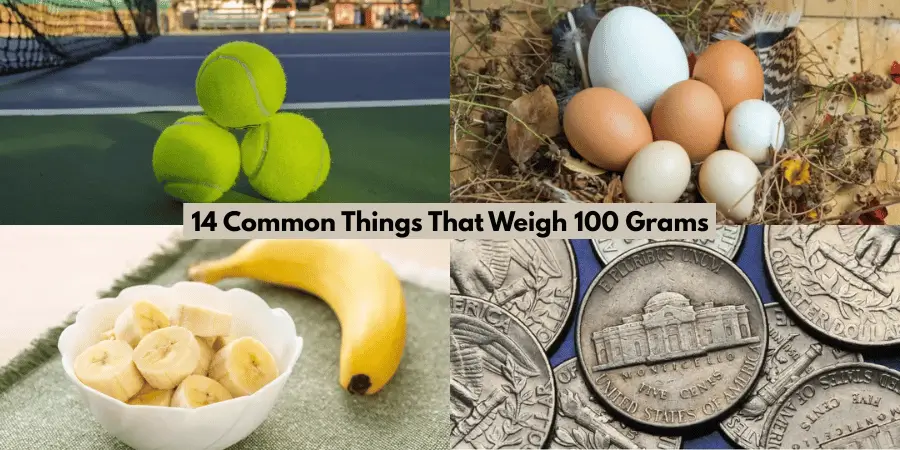
14 Common Things That Weigh 100 Grams
How Heavy is 100 grams?
Understanding 100 grams in various units offers a practical advantage across multiple areas, from the kitchen to scientific research. Grams are converted to ounces or cups while cooking. This flexibility not only speeds up the cooking process but also enhances the joy of experimentation with different dishes.
| Unit of Measurement | Equivalent of 100 Grams |
| Kilograms (kg) | 0.1 kg |
| Ounces (oz) | 3.527 oz |
| Pounds (lb) | 0.220 lb |
| Milligrams (mg) | 100,000 mg |
| Stones (st) | 0.0157 st |
| Grains (gr) | 1,543.24 grains |
This understanding of measurement improves precision and outcomes across various practical applications.
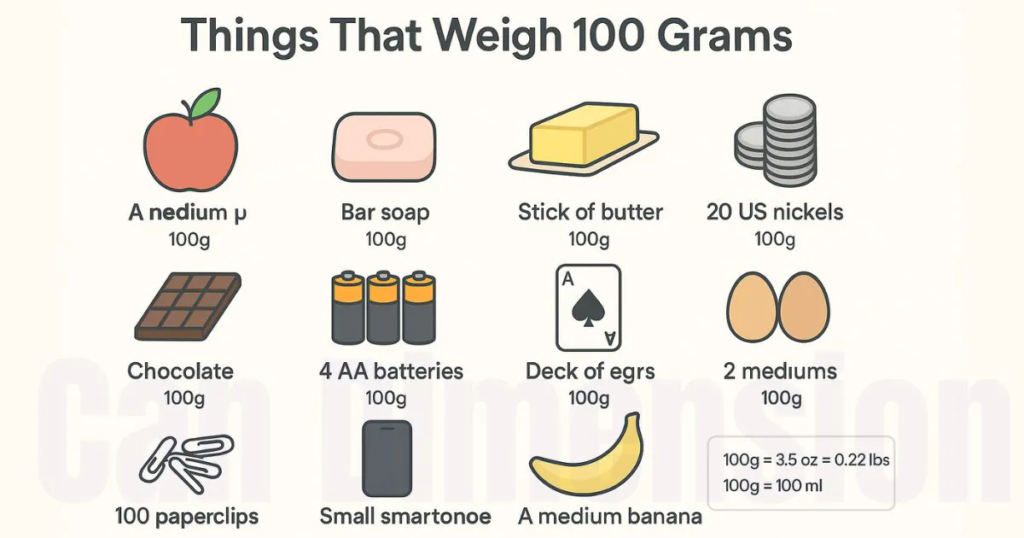
Household Items That Weigh 100 Grams
- Two Tennis Balls
- 20 US Nickel
- 20 Pence Coins
- A Kiwifruit/Avocado
- All-Purpose Glue
- Stick of Butter
- 2 Golf Balls
- 100 Paper Clips
- Sugar or Salt
- A Banana
- A Newborn Kitten
- A Pocket Knife
- Two Medium-Size Eggs
- Apple Magic Mouse
1. Two Tennis Balls
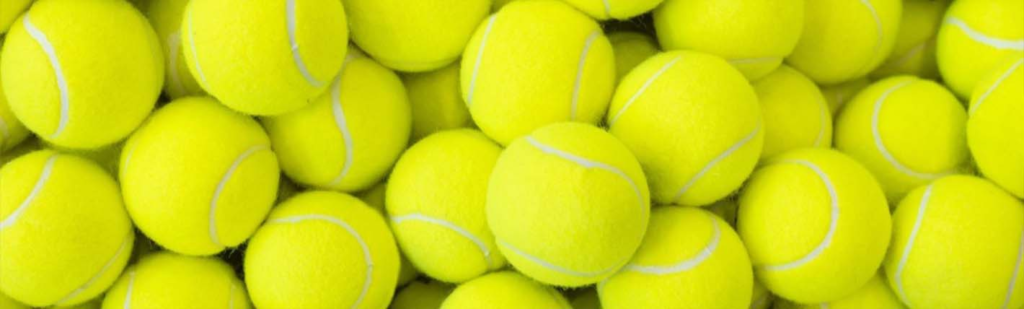
Two tennis balls symbolize more than gameplay, representing balance and duality in tennis. Holding them reflects the relationship between opponents and the rhythm of competition. One ball can represent aggression and power, while the other reflects strategy and resilience. Together, they capture the harmony of a match.
In practice, exchanging tennis balls highlights repetition and persistence. This process shows how skills are built through trial and error. Wins and losses both shape a player’s journey. Ultimately, two tennis balls symbolize growth through both success and failure.
2. 20 US Nickel
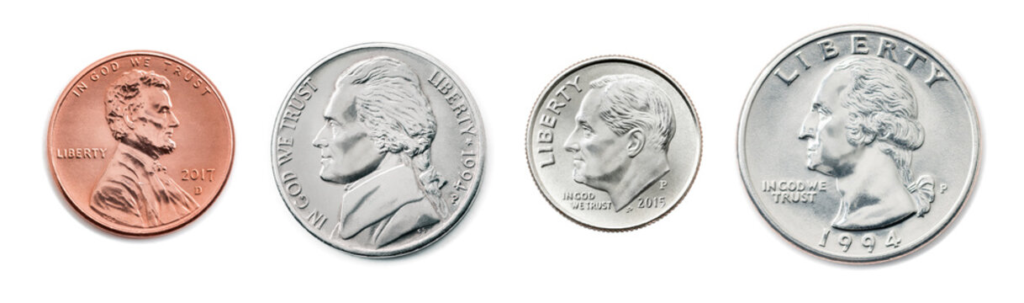
The 20 US nickel represents an important connection between American currency and history. Coins like the Buffalo and Jefferson nickels were more than money; they were historical artifacts. The Buffalo nickel reflected the spirit of the American frontier and Indigenous culture through its powerful design.
Over time, the Jefferson nickel evolved, showing changes in artistic style and social values. The 2004 redesign sparked discussion among collectors and historians. These design shifts reveal how currency reflects national identity. Beyond value, nickels act as windows into past economic eras. Collectors preserve these stories through their passion for coins.
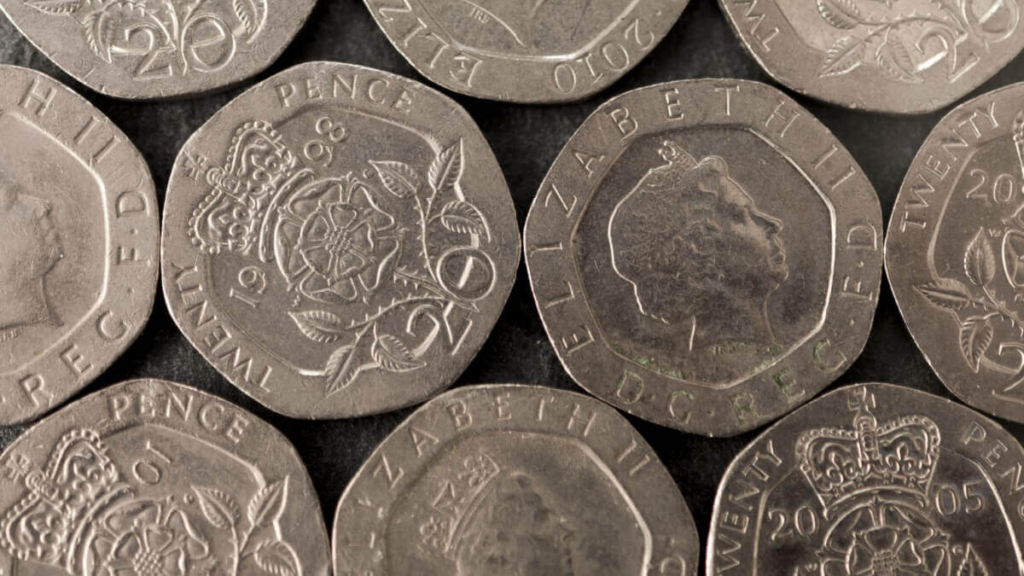
3. 20 Pence Coins
The 20 pence coin is an often-overlooked yet intriguing part of British currency. Introduced in 1982, its unique heptagonal shape improves grip and helps prevent counterfeiting. This design reflects the UK’s focus on secure and practical money. Collectors especially value rare versions, such as special mint years and misprints.
The famous 2008 undated 20p coin gained attention due to its missing year. Its reverse design featuring the Tudor rose links it to British heritage. This coin captures centuries of history in a small form. Appreciating it highlights the craftsmanship behind everyday currency.
4. A Kiwifruit/Avocado
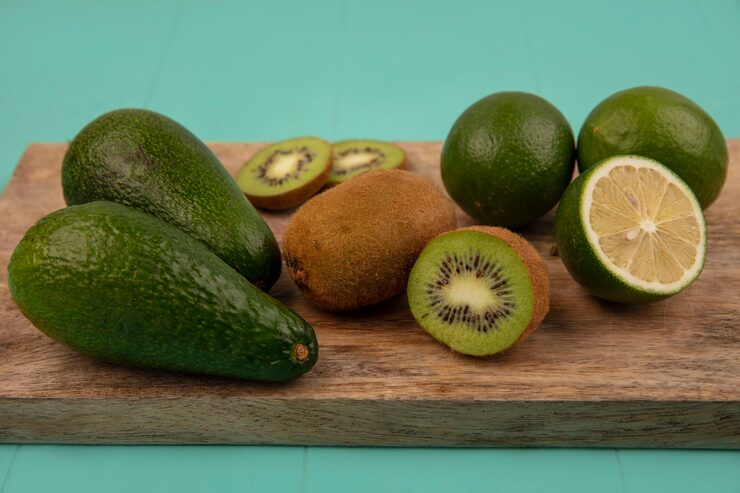
Kiwifruit and avocado may look different, but both are rich in nutrition and culinary versatility. Kiwifruit is packed with vitamin C, even more than oranges, and adds a tangy sweetness to smoothies, salads, and savory dishes. Its refreshing flavor pairs well with grilled fish or chicken.
Avocado, known for its creamy texture and healthy fats, is equally versatile. Beyond avocado toast, it can be blended into desserts like mousse for a rich yet healthy taste. Both fruits support digestive health and glowing skin. Together, they encourage creative cooking and a greater appreciation for natural, wholesome foods.
5. All-Purpose Glue
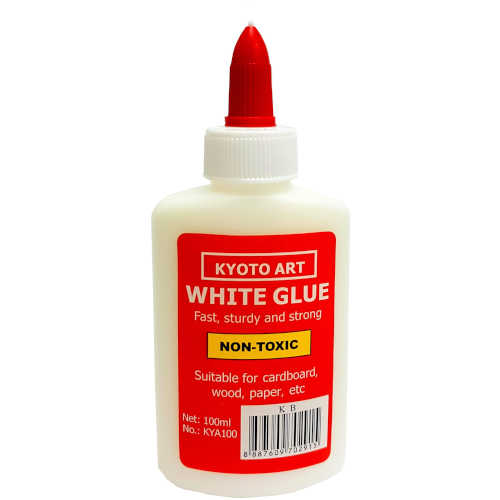
All-purpose glue is a versatile tool in crafting and repairs, often underestimated despite its wide range of uses. It works on more than just paper or wood, making it reliable for creative and practical projects alike. From fixing ceramic items to building DIY home décor, it forms strong and lasting bonds. Its quick-drying nature helps keep creativity flowing without delays.
Modern formulas add even more value with water-resistant and clear-drying options. These features make it suitable for outdoor crafts and detailed artistic work. Whether used for fabric, models, or repairs, all-purpose glue encourages creativity and experimentation.
6. Stick of Butter
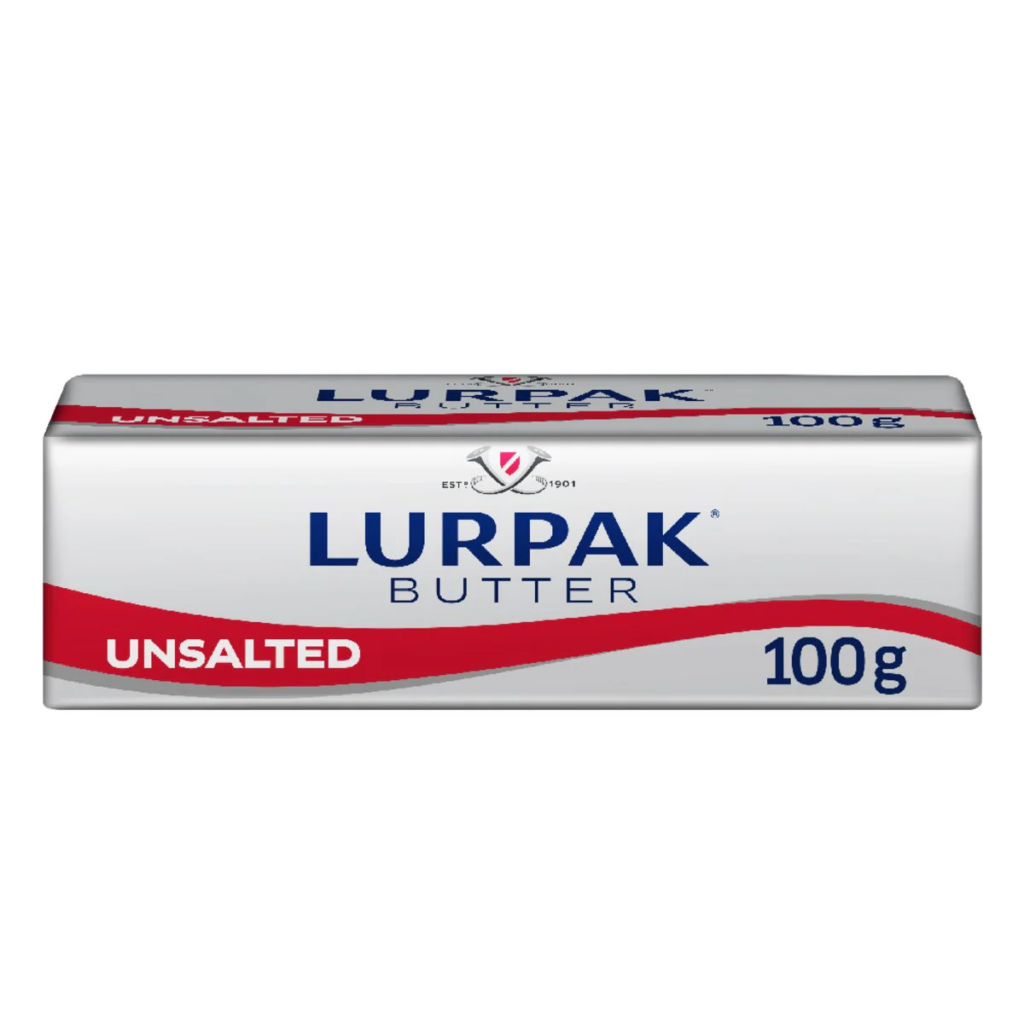
A stick of butter, often seen as a simple kitchen staple, represents a deep history of cooking and tradition. It acts as a base for flavor, turning ordinary dishes into something special. When mixed with herbs, butter can elevate vegetables into a gourmet experience. Its creamy texture also plays a key role in baking, creating rich pastries that melt in the mouth.
Exploring butter further reveals creative uses like compound butters infused with spices or citrus. These variations add depth to meats, bread, and sauces. From classic butter to modern alternatives, this ingredient continues to inspire culinary creativity and connection to cooking.
7. 2 Golf Balls
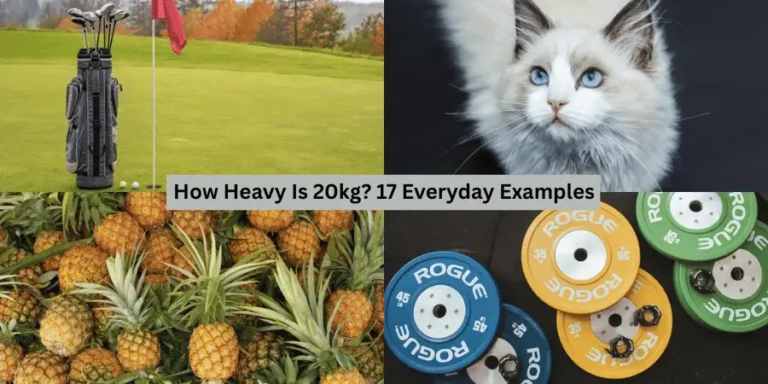
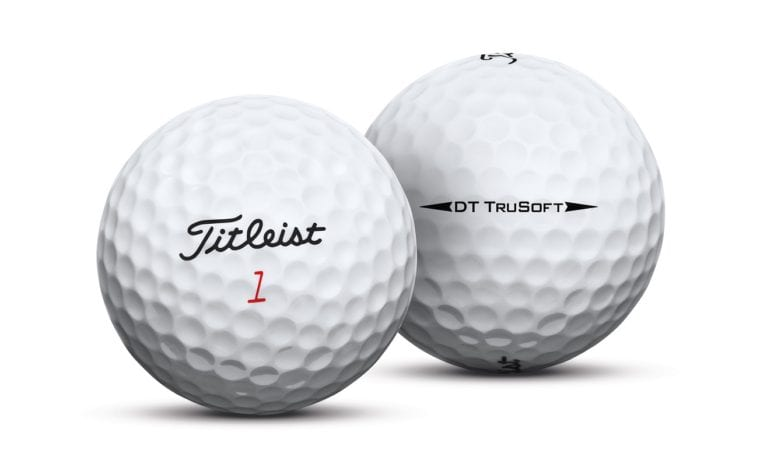
Imagine standing on a green fairway, holding two golf balls that represent different journeys in the game. One is a high-performance ball, designed for experienced players seeking distance and precision. The other is a beginner-friendly ball, focused on control and a softer feel. Each ball reflects the player’s skill level and personal connection to golf.
Choosing the premium ball shows trust in advanced technology for crucial shots. The softer ball gives confidence to new players, especially around the greens. This contrast reveals that golf is not only about equipment but also emotion and preference. In the end, both ball shapes provide unique experiences on the course.
8. 100 Paper Clips
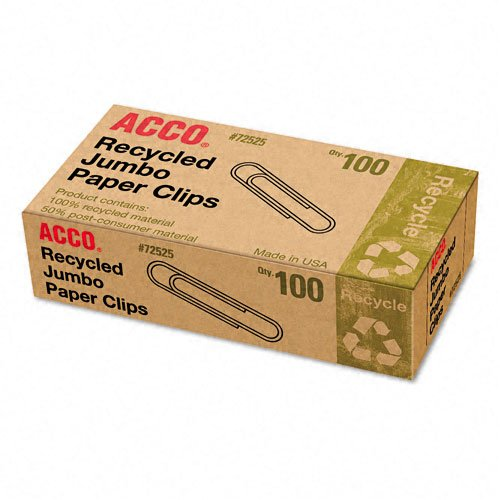
A seemingly simple object like a paper clip holds surprising creativity and usefulness in everyday life. Its versatility goes beyond organizing papers, as it can act as a temporary zipper pull or help remove a SIM card from a phone. Many people have repurposed paper clips as quick tools to unclog pens or fix small problems. 10 paper clips weigh about 10 grams, just as 1 clip weighs 1 gram.
Despite its simplicity, the paper clip represents innovation through minimal design. Imagine a workshop where participants create art using only 100 paper clips. This limitation encourages imagination and collaboration in unexpected ways. Through such challenges, ordinary objects become tools for self-expression. The humble paper clip reminds us that creativity often begins with simplicity.
9. Sugar or Salt
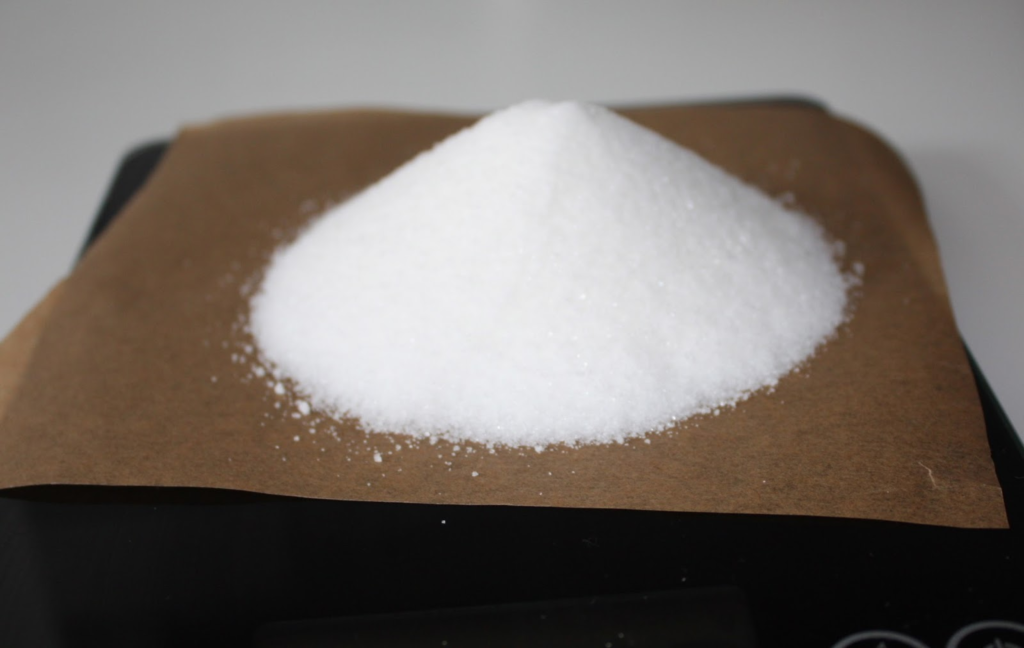
A half cup of sugar measures 3.5 ounces (100 grams) and can transform the mouth’s sensory experience. This property helps create that perfect sponge cake or gooey brownie that keeps you coming back for another bite.
On the other side, salt, with its ability to boost flavors, enhances the natural profile of foods beyond seasoning. Understanding these two powders not only enriches our cooking but can also add dimension to our appreciation of food itself, encouraging us to experiment beyond conventional uses.
10. A Banana
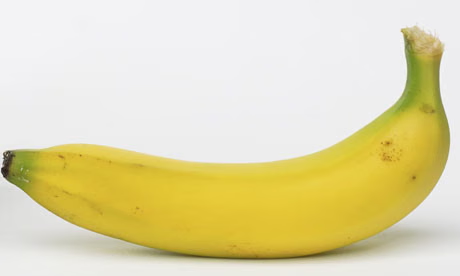
The banana, more than a simple snack, has a rich history that spans the globe. Originating in Southeast Asia, it has become part of diverse cuisines, from West African street markets to French desserts. Its bright yellow skin symbolizes energy and happiness, appealing to both health enthusiasts and casual eaters.
11. A Newborn Kitten
A newborn kitten is a tiny wonder, embodying both fragility and life. Weighing only a few ounces, their soft, multicolored fur hints at the cat they will become. In their first days, they instinctively seek warmth and nourishment from their mother, forming bonds that shape trust and security. Watching them grow is like seeing time in motion, as their eyes open and curiosity drives them to explore. Their small mewls signal early communication, revealing the personalities that will emerge. Clumsy first steps highlight the beauty of vulnerability. In every moment, kittens teach us to cherish life’s delicate transitions.

12. A Pocket Knife
A pocket knife is more than a simple tool; it represents versatility, exploration, and self-reliance. Compact yet functional, it serves countless purposes, from whittling wood to slicing string, turning everyday tasks into small adventures. Its craftsmanship — from intricate blades to unique handles — reflects a rich tradition of skill and innovation.
Collectors value pocket knives not only for practicality but also for the stories they carry, whether as heirlooms or modern creations. Each knife connects its owner to experiences and memories. Ultimately, a pocket knife transcends mere utility, becoming a personal artifact full of meaning and nostalgia.

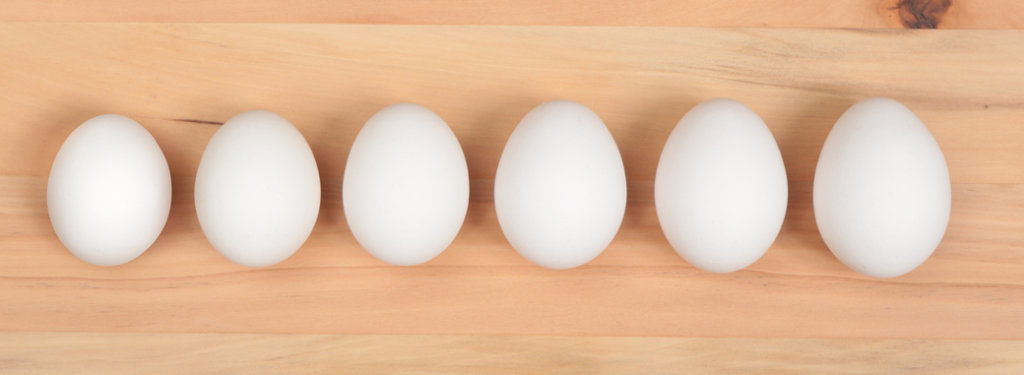
13. Two Medium-Size Eggs
Two medium-sized eggs may seem ordinary, but they offer endless culinary possibilities. Rich in protein and healthy fats, they serve as a versatile base for dishes like fluffy omelets or savory quiches, elevating simple ingredients into memorable meals. Beyond the kitchen, choosing locally sourced eggs supports sustainable practices and local farms, often providing fresher, more flavorful options.
From free-range to organic, selecting quality eggs encourages mindful eating and awareness of food production. Whether for breakfast or dessert, these eggs connect nourishment with creativity and sustainability, making them a small yet impactful ingredient in everyday cooking.
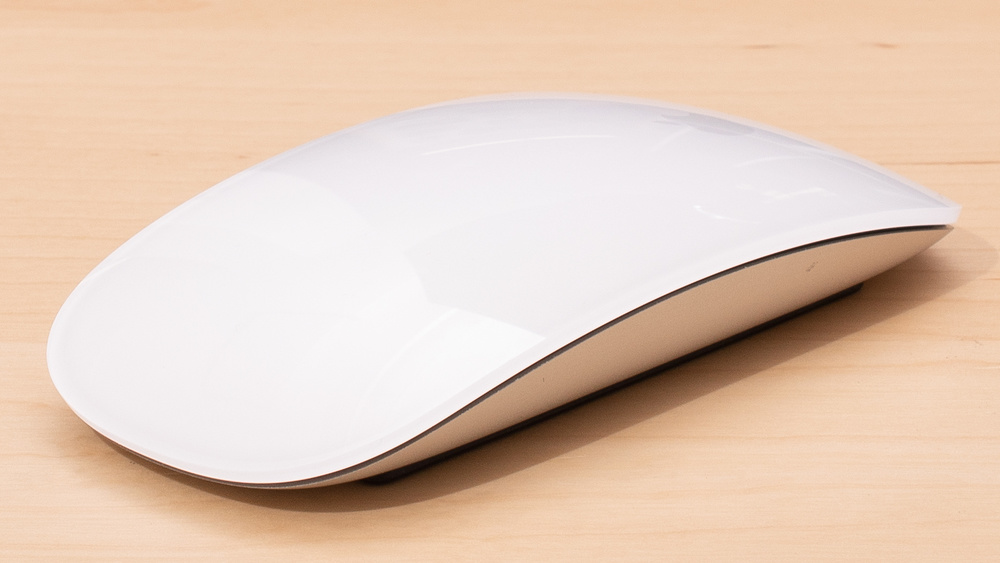
14. Apple Magic Mouse
The Apple Magic Mouse blends style and functionality, featuring a multi-touch surface that makes swiping, scrolling, and navigating intuitive and seamless. Its sleek design hides advanced technology, turning routine tasks into fluid experiences that enhance productivity. Crafted from recyclable materials with a rechargeable battery, it reflects Apple’s commitment to sustainability and energy efficiency. The low-profile design also promotes a natural wrist position, reducing strain during long use.
What Does 100 Grams Feel Like in Your Hand?
100 grams can take the form of a medium-sized grapefruit or a smartphone. The feeling is surprisingly distinct. It’s not just about weight but the balance and scale it brings to your hand. While light enough to be easily measured, 100 grams also requires a small engagement of your muscles. You can feel the pull of gravity, a reminder of the physical world’s inherent laws, effortlessly visible in this compact measure. In a cook’s hand, 100 grams of flour might symbolize precision and care in crafting a perfect dish, while in a student’s grasp, it could be a textbook reflecting the effort to build knowledge. The tactile experience varies by shaping our daily narratives in little but deep ways.
Why Do Scientists Prefer Grams Over Ounces?
Scientists prefer grams over ounces due to the precision and universality that the metric system offers. This efficiency is important when conducting experiments where even the smallest variation in measurement can lead to vastly different outcomes. Grams provide a clear and consistent way to quantify mass, making it easier to replicate studies and share findings across the global scientific community.
FAQs
Q1. What is 100 grams called?
A: 100 grams is called a ‘hectogram’ (hg) in the metric system of measurements.
Q2. Is 100 grams equal to 1 kg?
A: No, 100 grams is equal to 0.1 kg. As 1kg = 1000g, so, 100g = 0.1kg.
Q3. How much is 100 grams in a cup?
A: For lighter ingredients like flour or sugar, 100 grams typically translates to about 1 cup but for denser items such as nuts or butter, 100 grams equals approximately 1/2 cup.
Q4. How can I measure 100g?
A: A standard medium-sized egg weighs about 50 grams, so two of them can easily approximate 100 grams. Similarly, a cup of granulated sugar typically weighs around 200 grams, making half a cup an accessible metric, especially in baking.
Q5. Is 100 grams a teaspoon?
A: 100 grams is equal to 19 teaspoons.
Conclusion
You might be surprised to learn that a typical deck of playing cards also clocks in at around 100 grams, blending practicality and fun in a fixed weight. This shows how our perception of weight connects with both utility and ease. As we go deeper into this comparison, consider a bag of flour, often used in baking. Its 100 grams can transform recipes and kitchens alike, and yet, it’s easy to overlook in a world filled with high-tech gadgets and fast food. In conclusion, recognizing these everyday objects that count up to 100 grams sheds light on our daily lives, reminding us that even the most non-serious items can enhance our understanding of weight and utility in unique ways.