
15 Things That Are 100 Feet (ft) In Length
In the world of measurements, 100 feet covers various day-to-day objects. As the average school bus is 40 feet so 2.5 buses lined up would be 300 feet. This knowledge helps us appreciate the gap between abstract numbers and real-life objects. It tells us how our environments and structures are interconnected through measurements, inviting us to explore the layers of our surroundings. These examples will give you a strong idea of scale and make this world of measurements easy to visualize.
What Measures 100 Feet in Length?
Foot is basically an imperial unit which can be well-understood by equating feet against internationally used units like meters. It is tricky to imagine 100 ft unless you compare it to real objects. Many natural structures, vehicles, and even animals reach around this exact size.
| Unit | Equivalent |
| Meters | 30.48 m |
| Yards | 33.33 yards |
| Kilometers | 0.03048 km |
| Miles | 0.01894 miles |
| Inches | 1,200 inches |
| Centimeter | 3,048 cm |
| Millimeter | 30,480 mm |
What Measures 100 Feet in Length?
The real-life examples to show 100 feet are below:
| Category | Examples |
|---|---|
| Buildings and Structures | Twice the Hollywood Sign Cell Phone Tower 10-Story Building Small Suspension Bridge Span |
| Animals & Nature | A Blue Whale 20× The Heart of a Blue Whale Alligators (10 stacked) The Eastern Cottonwood Tree Large Oak Tree |
| Sports & Recreation | A Basketball Court 10 Basketball Hoops Stacked 1/3 of a Football Field 1.5 Cricket Pitches 2/3 of an Olympic Swimming Pool 1 and 1/3 of a Bowling Lane |
| Transport | Wind Turbine Blade Mega-Yacht Tender Boats Two Semi-Trailers The Boeing 737-500 Boeing 737 Aircraft (general) 10× Kayaks |
1. A 10-Story Building
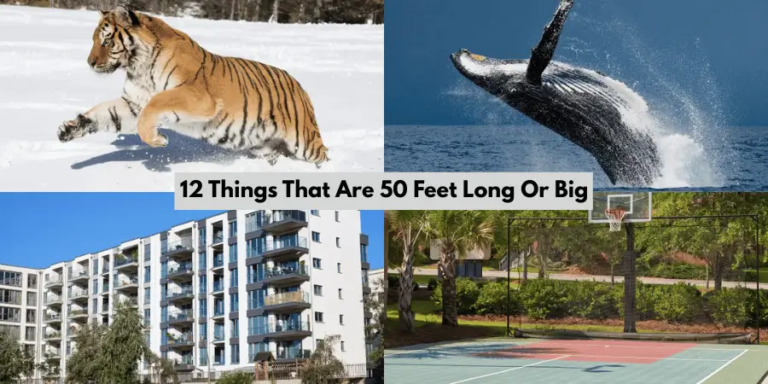
Most buildings have floors that measure around 10 feet. That means a 10-story building stands close to 100 feet tall. Looking up at a structure of that size gives a real sense of how far the height reaches. This comparison is one of the best ways to visualize 100 feet in vertical form. If you’ve ever stood beside a mid-size apartment building, you’ve already seen what 100 feet looks like.

2. One-Third of a Football Field
A standard American football field is 300 feet long. Divide that into three equal parts; each part is 100 feet. So when players sprint across that one-third distance, they aren’t just racing; they’re locating the equivalent distance of 100 ft objects. Such comparisons with a football field transform the game into a playground with unexpected dimensions.

3. Two School Buses Parked End to End
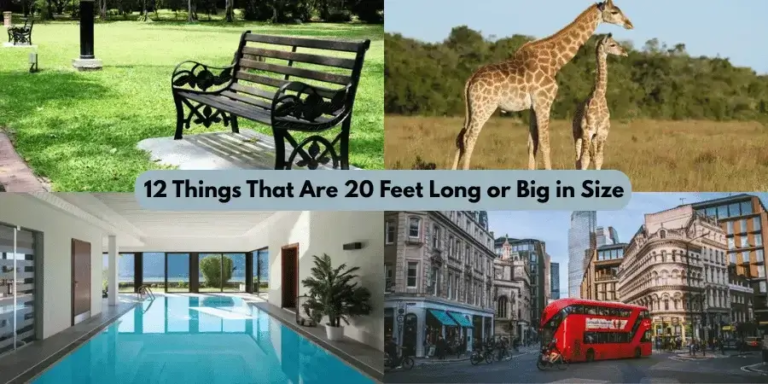
School buses, which are symbols of youthful adventure, take on a new significance when considered as a basis for understanding dimensions that reflect in our lives. The sight of two school buses parked end to end serves as an entrance into a world filled with comparisons. A typical school bus is around 40–45 feet long. Park two buses in a straight line, and you almost reach the 100-foot mark. It helps you imagine how far 100 feet stretches across a road or field.

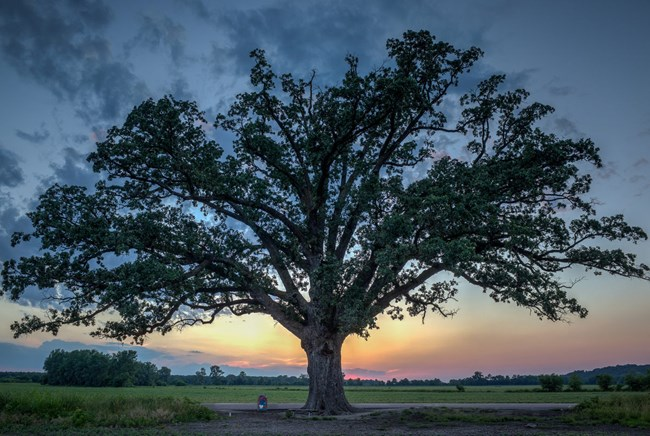
4. A Large Oak Tree
Reaching heights of up to 100 feet, a large oak tree can bring a sense of respect for nature’s glory. These tall giants are the centerpiece of beautiful landscapes and local ecosystems. Many of these trees have witnessed the changing world around them. Large mature oak trees can grow to about 80–100 feet tall. They often appear in parks, forests, and neighborhoods. This makes them an excellent natural example of the 100-foot scale.
5. A Blue Whale
The blue whale is the largest animal on the planet, which can extend up to 100 feet in length. It is a creature as long as three school buses lined up end to end, gracefully swimming through the water. Developing a streamlined body allows it to move with flexibility despite its massive proportions. These gigantic mammals not only surprise us with their size but also question our views of the natural world.

(Note: Cetaphobia, the fear of whales, particularly the giant blue whale, stirs up anxiety and terror. For many, it’s the large size and unknown behaviors of these aquatic giants.)
6. The Boeing 737-500
The Boeing 737-500, a member of the typical 737 family, is a narrow-body aircraft known for its efficiency in short routes. Its small size, quieter engines, and better design make it a comfortable and practical choice for many airlines. Built with durability in mind, it has served a wide range of operators from low-cost carriers to charter services, while keeping operational costs low. Despite being an older model, its versatility continues to highlight its value in modern aviation. The 737-500’s legacy also contributes to ongoing changes focused on greater efficiency and conservation.

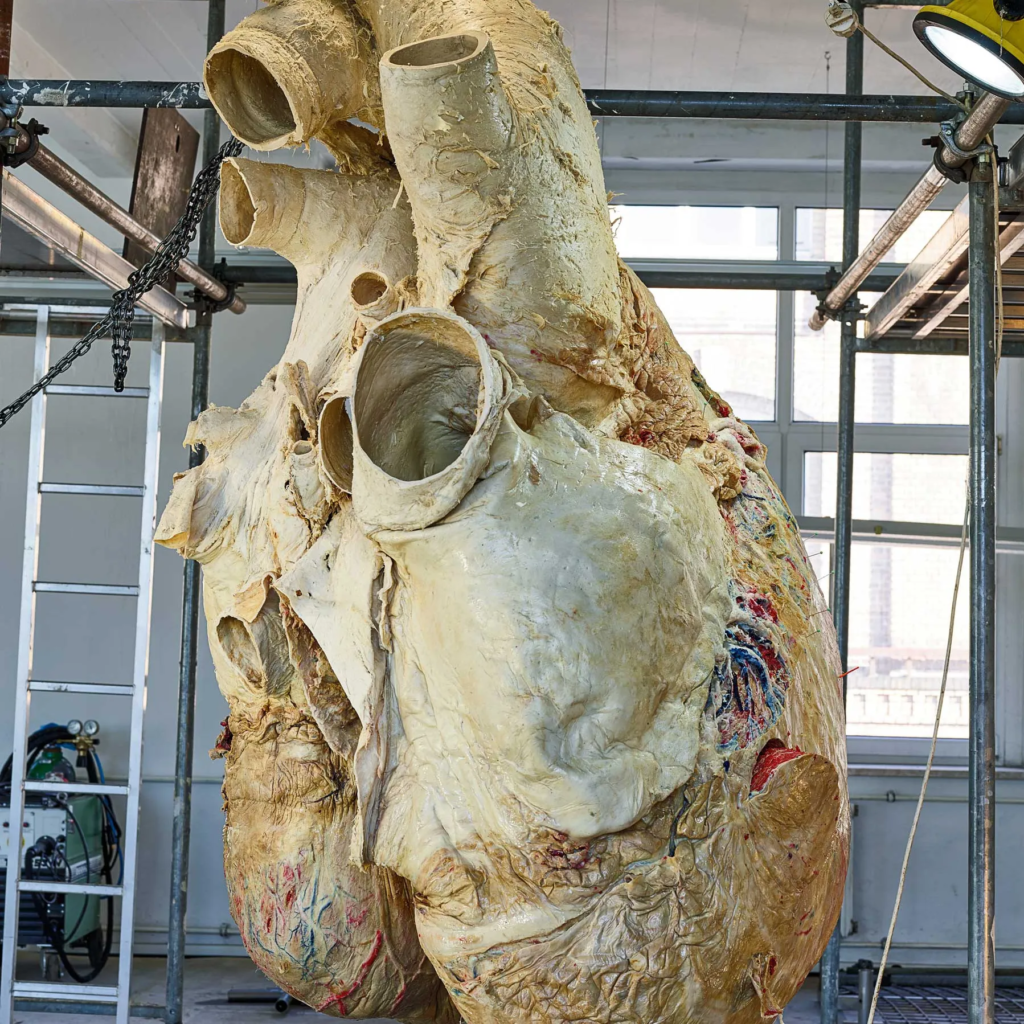
7. 20x The Heart of a Blue Whale
The heart of a blue whale, weighing about 400 pounds and nearly the size of a small car, is one of the biggest organs. With each beat, it pumps around 60 gallons of blood to support the whale’s 100-foot body. As the size of its heart is 5 feet, thus, 20 hearts of blue whales make up to 100 feet in length. Scientists continue to study how this giant organ functions so efficiently by preserving it. This superb design shows how evolution helps even the largest creatures for survival.
8. Alligators
Alligators have survived for over 200 million years, proving their remarkable adaptability across swamps, rivers, and coastal marshes. Lining up 10 alligators to cover a length of 100 feet presents a surprising measurement. With an individual alligator stretching about 10 feet from mouth to tail, this uniform measurement presents mathematical harmony. Each alligator represents not just a creature but a segment of a larger equation. This 100-foot showcase raises questions about habitat, behaviour, and the ecological importance of alligator populations. These traits reveal alligators as far more than fierce predators-they are intelligent and essential to the environments they inhabit.

9. 10x Kayaks
Kayaks are human-paddled small boats that are rowed using a double-bladed paddle. Each kayak is designed to accommodate an individual. This is done by creating a compact-sized kayak of 10 feet. Each kayak contributes not only to the overall length but also to the visual representation of the open water experience. So ten kayaks lined up side by side covers an impressive 100 feet, highlighting the dimensional importance of these assets. This measurement can help paddlers hold the diversity of their environment, turning simple numbers into wise connections with nature.

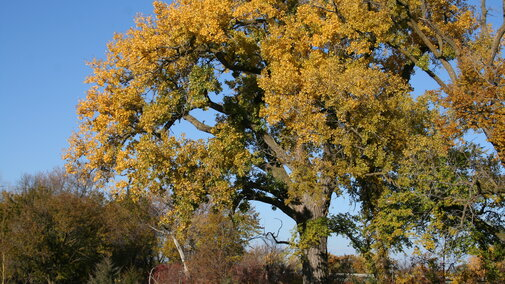
10. The Eastern Cottonwood Tree
The Eastern Cottonwood is an important part of the ecosystem that can reach heights of up to 100 feet and provide habitat for birds, insects, and other wildlife. Known for its rapid growth and impressive height, this tree can transform a dull backyard into a vibrant holy place for wildlife. The tree helps stabilise soil, manage water, and fight erosion, making it crucial for ecosystem health. As a symbol of endurance, the Eastern Cottonwood shows nature’s ability to adapt and survive.
11. A Small Rope Bridge or Zipline
Many small rope bridges or adventure park ziplines measure around 80–120 feet. A 100-foot span is common for crossing rivers or open gaps in outdoor parks. Standing at one end and looking across gives you a clear sense of the distance.The 100-foot drop offers a unique perspective on nature’s beauty, mixing each ride with a thrilling rush and joy. Both experiences serve to take you out of your comfort zone to allow you to reconnect with nature.. Ziplines especially help you feel how far 100 feet actually stretches.

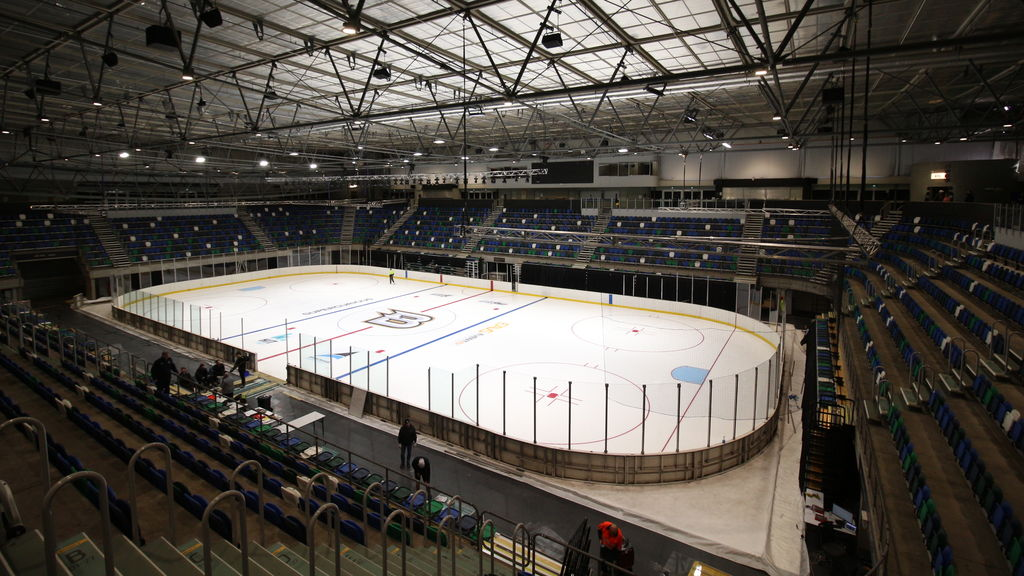
12. A Hockey Rink Width
The width of a hockey rink of 100 feet is important in the dynamics of the game. This expansive space promotes creativity and strategic play, allowing players to showcase their skills while also testing their teamwork. Unlike other sports where the dimensions may block movement, the breadth of a hockey rink encourages players to utilize every inch, resulting in a more engaging game. The 100-foot width also enhances the fan experience, providing better sight and opportunities for thrilling moments. The dimensions of the rink not only define the physical layout but also shape the very spirit of hockey as an exciting sport.
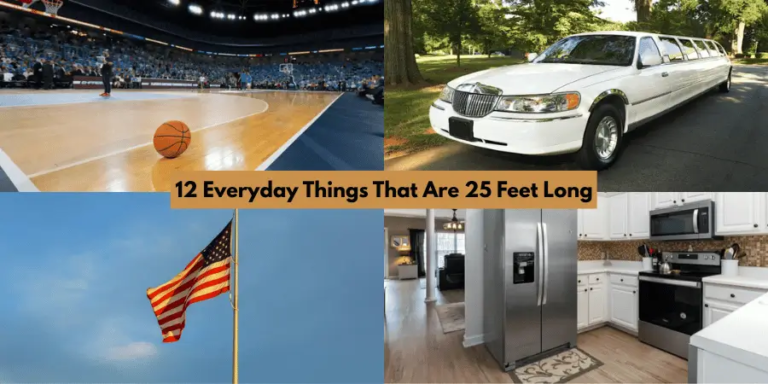
13. A Basketball Court
A standard basketball court spans 94 feet by 50 feet, but its centre lies beyond mere measurement. At 100 feet, the energy generated by players running, dribbling, and shooting creates an atmosphere filled with determination and teamwork. The 100-foot length also improves the fan experience, providing a bird eye overview. As fans lean closer, their cheers echo through the arena. It’s a 100 foot battlefield of rivalries showing the raw emotional connection between players and the sport.

14. 10 Basketball Hoop
The ideal basketball hoop height is 10-foot measurement which isn’t random. It’s a carefully calculated standard that challenges players of all skill levels. By stacking ten hoops on top of each other would create an amazing 100 feet in the air! It adds an exciting layer to basketball. This visualization not only highlights the ambition of players aiming for that perfect shot but also stresses on the skill and strategy in the game.

15. Twice The Hollywood Sign
Located on hills of Los Angeles, the Hollywood Sign symbolizes the glamour of the film industry, serving as a pilgrimage site for dreamers from around the globe. Yet, few know that the iconic sign originally read “Hollywoodland” and was removed in 1923.
The sign reflects the evolution of Hollywood from a sole location to a global cultural phenomenon. This 49 feet tall sign continues to stand as a beacon of inspiration in film industry. The 100 feet bench mark is met when the height is doubled, shedding light on the complexities of both Hollywood and the dreams it represents.

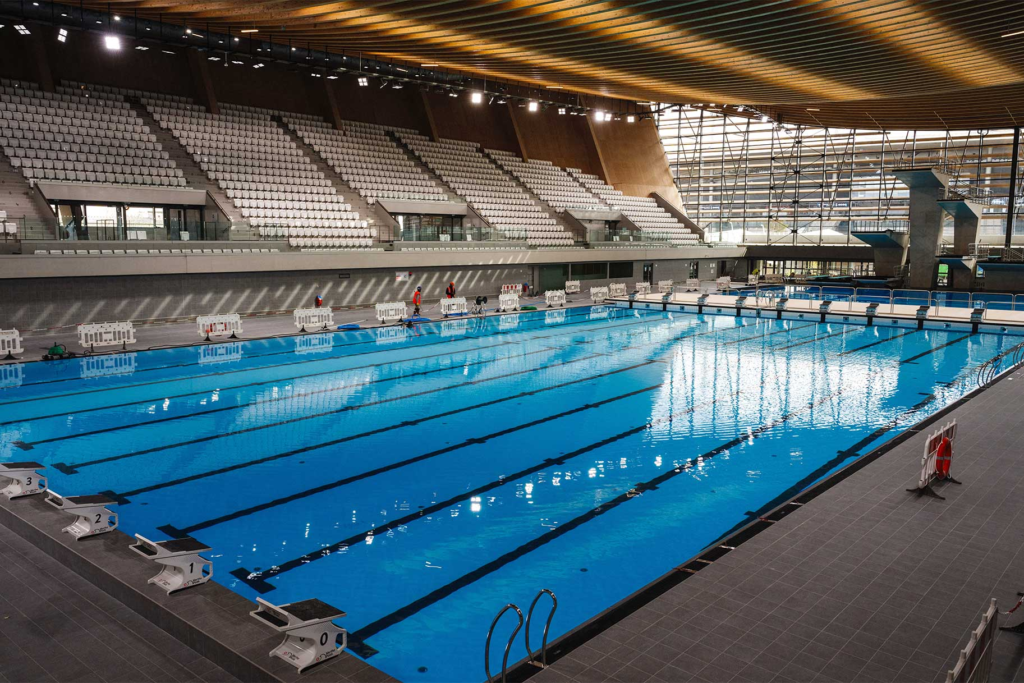
16. 2/3 of Olympic Swimming Pool
An Olympic swimming pool is 50 meters in length and 25 meters in width, with a depth of at least 2 meters. ⅔ of 50 meters is 33 meters which is equal to 100 feet length. It is an example of engineering and precision, designed to meet specific international standards. These precise measurements create a suitable environment for swimmers which allows severe competition and record-breaking performances. Beyond the competition, these pools become a melting pot of cultures and stories, as individuals from diverse backgrounds come together, united by their love for the water and the dreams of Olympic glory.
17. Two Semi-Trailers
Semi-trailers are the heroes of the world that silently pass through highways while carrying essential goods that keep economies running. Their design of 48 feet allows impressive flexibility, enabling them to navigate tight urban environments and spacious country roads alike. Two semi-trailers parked side by side stretch to an astonishing 100 feet in length.

18. 1.5 Cricket Pitches
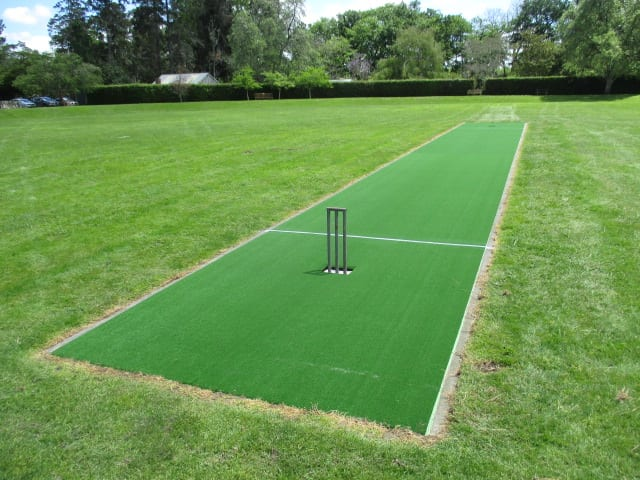
In the world of cricket, the length of a pitch plays a crucial role in the dynamics of the game. A cricket pitch, measuring a precise 66 feet, strikes a unique balance between strategy and skill. This length not only challenges bowlers but also places batsmen in a state of suspense. When you extend a cricket pitch beyond its standard 22 yards or 66 feet, you move into a creative transformation, imagining the pitch to be about 100 feet long. The compact nature of the pitch elevates the action, encouraging quick thinking and immediate movements, making every ball an engaging sight.
19. 1 and 1/3 of a bowling lane
A standard bowling lane measures 60 feet from the foul line to the pins, creating a clear starting point for bowlers to use their focus and energy. This essential stretch of hardwood is where strategy and physics intermix, and it’s exciting to consider the significance of every inch in that distance. When we extend the lane by just another 1/3, we automatically reach the 100 feet mark, transforming the experience into a challenge of precision and power. Suddenly, every throw becomes a journey, each frame a chance to overcome not just the pins, but the very environment in which we play.

How Long is 100 Feet to Walk?
Walking 100 feet might seem like a hard task, but breaking it down makes it look easier. At an average speed of 3 miles/hr (approx. 4.4 ft/sec), you’d complete that distance in 23 seconds. This same distance finishes pretty quickly. A short list of speed and time is as follows:
| Walking Speed | Feet per Second | Time to Walk 100 ft | Time (Readable) |
| 2 mph (slow walk) | 2.9 ft/s | ~34 seconds | ~0 min 34 sec |
| 3 mph (average walk) | 4.4 ft/s | ~23 seconds | ~0 min 23 sec |
| 3.5 mph (brisk walk) | 5.1 ft/s | ~20 seconds | ~0 min 20 sec |
| 4 mph (fast walk) | 5.9 ft/s | ~17 seconds | ~0 min 17 sec |
| 5 mph (very fast walk) | 7.3 ft/s | ~14 seconds | ~0 min 14 sec |
Why to use the Foot?
Using the foot as a measurement unit offers new advantages related to its historical richness and practical applications. Originating in ancient civilizations, the foot embodies a human-centric approach to measurement, grounded in the average size of a person’s foot.
Moreover, the versatility of the imperial unit allows it to shine in various fields, from construction to athleticism. Builders often rely on feet to create dimensions that seamlessly correspond with human scale, ensuring a more ergonomic design. Athletes too benefit, as track and field events frequently utilize feet to measure performance, enabling competitors to grasp their achievements in terms they understand and can visualize.
FAQs
Q1. How long is 100 feet in a bedroom?
A: To visualize 100 feet in a bedroom context, consider that a standard bedroom, often around 10×10 feet, emphasizes just how expansive that distance truly is.
Q2. How many cars equal 100 feet?
A: If we consider the average length of a car to be 15 feet, then 100 feet would allow approximately 7 cars lined up in a row.
Q3. How many meters is one hundred feet?
A: One hundred feet is made up of 30.48 meters.
Q4. Is 100 Feet Really That Far in Kilometers?
A: No, 100 feet is not that far in kilometers because it is only equal to 0.03 km (30 meters).
Q5. Measuring 100 Feet on a Football Field – How Far Does It Go?
A: It only goes one-third of the football field which is 300 feet (120 yard) long.
Conclusion
One hundred feet may not seem huge at first, but when you compare it to buildings, vehicles, trees, fields, and natural giants, you realize it’s a significant measurement. The examples above clearly show how tall, long, and wide 100 feet can actually be. Whether you’re trying to picture distance for construction, travel, land measurement, or simple curiosity, these real-world comparisons make the number easy to visualize. Next time someone mentions 100 feet, you’ll instantly know exactly how far that really stretches.