
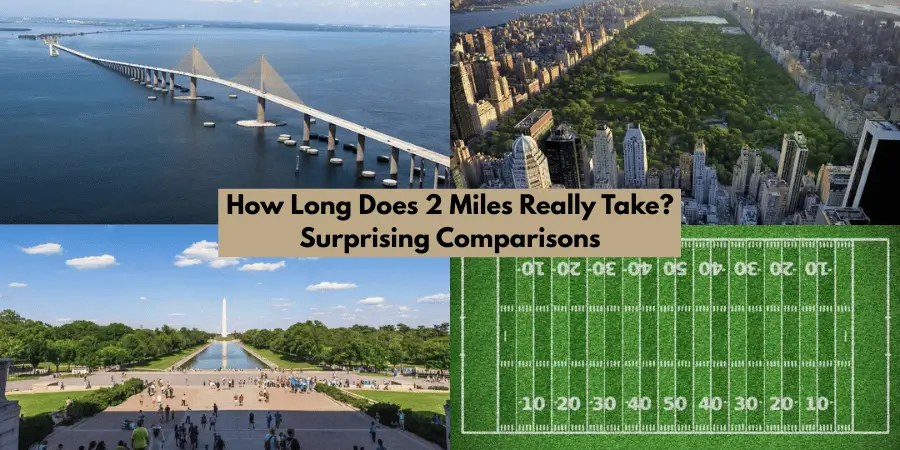
How Long Does 2 Miles Really Take? Surprising Comparisons
Two miles can feel completely different depending on a person’s fitness level, pace, and terrain. This article, “How Long Does 2 Miles Really Take? Surprising Comparisons,” explores why some finish the distance quickly while others struggle. Factors like speed, effort, and experience all influence how long it actually takes to run two miles. Whether you’re a runner, walker, or fitness beginner, understanding these differences helps set realistic goals. By the end, readers gain a clearer perspective on what two miles means for their own fitness journey.
How Long is 2 Miles?
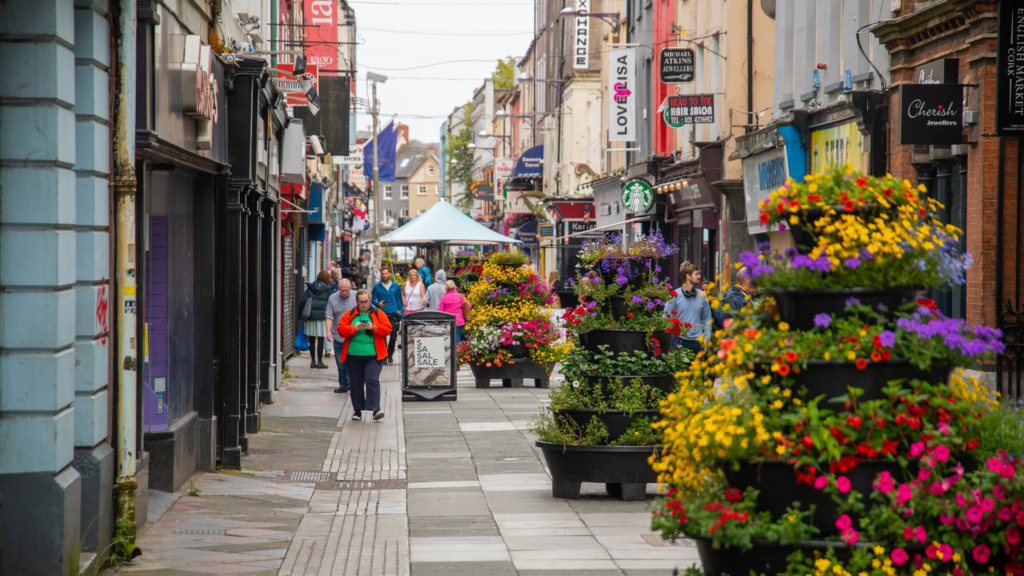
2 miles may look short on a map, but it can feel very different when walked or run, often taking around 30 minutes for an average person. The experience varies greatly depending on terrain and surroundings. These 2 miles offer a way to connect with movement and the environment. It can reveal small discoveries along the way, from hidden cafés to street art and helps build confidence toward bigger goals.
| Unit | Equivalent |
| Meters | 3,218.688 m |
| Yards | 3,520 yd |
| Kilometers | 3.2187 km |
| Miles | 2 miles |
| Inches | 126,720 in |
| Centimeter | 321,868.8 cm |
| Millimeter | 3,218,688 mm |
How Long is 2 Miles in Minutes Driving?
The time required to drive two miles depends largely on speed limits and traffic conditions. On a quiet road at around 25 mph, the distance can take about five minutes, while congested city streets with signals and pedestrians may extend it to ten minutes or more. Route choice also affects the experience, as scenic drives can feel more enjoyable despite taking longer. In contrast, rushing through traffic can make even short distances feel lengthy. These factors show that short drives are shaped as much by conditions and perception as by distance itself.
- Highway Driving
Highway driving offers a sense of freedom and calm, with fewer stops allowing drivers to settle into a focused, almost meditative rhythm. The open road creates space for reflection as landscapes shift from busy cities to quiet rural scenes. Despite this calm, highway driving requires constant awareness of speed, distance, and surrounding vehicles. Merging, lane changes, and shared road space demand cooperation among drivers. Each highway journey blends independence with responsibility, making the experience about more than just reaching a destination.

- Urban or Suburban Areas
Urban areas thrive on energy, diversity, and constant movement, which fuels creativity, innovation, and collaboration in shared public spaces. This fast-paced environment can inspire new ideas but may also lead to burnout and a sense of anonymity. In contrast, suburban areas offer a calmer rhythm with strong community connections and space for families to grow. Tree-lined streets and local gatherings help build lasting relationships. Increasingly, suburbs are also becoming centers of learning and innovation, showing that opportunity exists beyond city limits.

- City Centres
City centres act as the heart of urban life, bringing together culture, commerce, and community in dynamic shared spaces. They reflect a city’s character through local art, social interaction, and mixed-use development. The addition of green parks, walkable areas, and public art enhances the human experience. Many city centers are also embracing sustainability through eco-friendly design and energy-efficient buildings. With improved public transport and accessible amenities, these hubs are evolving into places where people don’t just live, but truly thrive.
What Does 2 Miles Look Like? Objects Big and Long
The real-life examples to show 2 miles are below:
| Category | Examples |
|---|---|
| Sports & Athletics | 64 Olympic Swimming Pool Lengths 32× 100-Meter Dash 9 Laps Around a Standard Soccer Field 8 Laps Around a Standard Running Track 10 Laps Around an American Football Field |
| Parks & Urban Spaces | The National Mall Manhattan’s Central Park |
| Bridges & Infrastructure | ½ Way Across Sunshine Skyway Bridge |
| Recreational Routes | Long Walking or Jogging Circuits in Public Parks |
| City Scale Distances | Typical Distance Between Major City Landmarks |
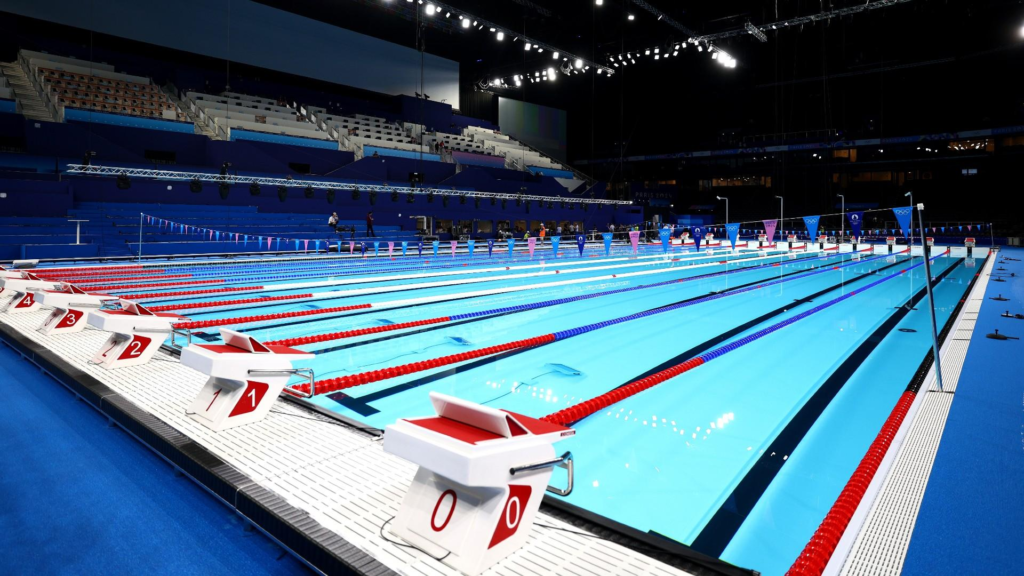
64 Olympic Swimming Pool Lengths
Swimming 64 lengths of an Olympic-sized pool represents endurance, discipline, and personal determination. Each lap reflects hours of training while pushing swimmers to overcome fatigue and self-doubt. The repetitive motion and rhythmic sound of water create a focused, almost meditative experience. Many swimmers use this time to clear their minds and stay connected to their goals. Completing all 64 lengths brings a deep sense of achievement, symbolizing both physical and mental triumph.
The National Mall
The National Mall is a powerful symbol of American history and identity, where monuments and memorials tell stories of both triumph and struggle. Iconic landmarks like the Lincoln Memorial reflect moments that shaped democracy and civil rights. Beyond remembrance, the Mall functions as an active community space for locals and visitors. Cultural events, public art, and daily gatherings bring the area to life. Blending historic meaning with modern activity, the National Mall offers a journey through America’s past and present.

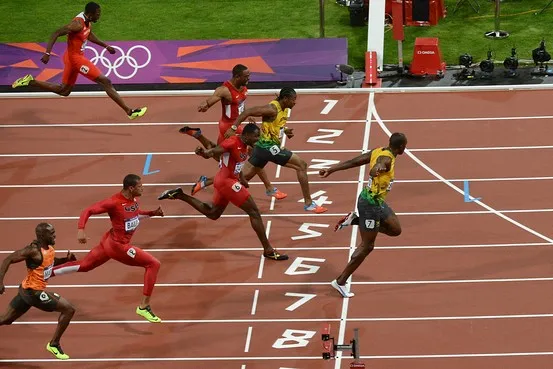
32x 100-Meter Dash
The 32×100-meter dash tests more than pure speed, combining endurance, strategy, and mental strength. Athletes must manage explosive sprints while conserving energy across repeated runs. As fatigue builds, maintaining rhythm and efficient starts becomes essential. Mental focus plays a key role, with visualization and concentration helping runners stay sharp. Each sprint challenges personal limits, turning the event into a powerful display of resilience and determination.
Manhattan’s Central Park
Central Park stands as a natural oasis in the heart of Manhattan, blending nature, culture, and city life. Beyond its famous landmarks, hidden trails and quiet corners offer peaceful escapes from the urban rush. The park transforms beautifully with each season, from spring cherry blossoms to colorful autumn foliage. Winter brings calm landscapes perfect for skating and sledding. These constant changes make Central Park a living space that evolves alongside the city and its visitors.

Halfway Across the Sunshine Skyway Bridge
At the midpoint of the Sunshine Skyway Bridge, engineering brilliance meets natural beauty over Tampa Bay. The towering spans offer sweeping views of glimmering waters and the Florida sky, showcasing both human ingenuity and nature’s splendor. From this vantage, marine life such as dolphins and pelicans can be seen thriving below. The contrast of moving traffic and serene surroundings enhances the experience. The bridge is not just a structure but a reminder to pause and appreciate the breathtaking world around us.

9 Laps Around a Standard Soccer Field
Completing 9 laps around a soccer field tests both endurance and focus, engaging body and mind with every stride. Each lap offers a rhythm that syncs breath with movement, while familiar landmarks like goalposts and the center circle guide mental resilience. The expansive green encourages reflection on personal goals and strategies, much like planning for life’s challenges. By the final lap, the combination of physical effort and mental clarity creates a strong sense of accomplishment. This exercise becomes not just about running, but about persistence and growth.

8 Laps Around a Standard Running Track
Completing 9 laps around a soccer field tests both endurance and focus, engaging body and mind with every stride. Each lap offers a rhythm that syncs breath with movement, while familiar landmarks like goalposts and the center circle guide mental resilience. The expansive green encourages reflection on personal goals and strategies, much like planning for life’s challenges. By the final lap, the combination of physical effort and mental clarity creates a strong sense of accomplishment. This exercise becomes not just about running, but about persistence and growth.

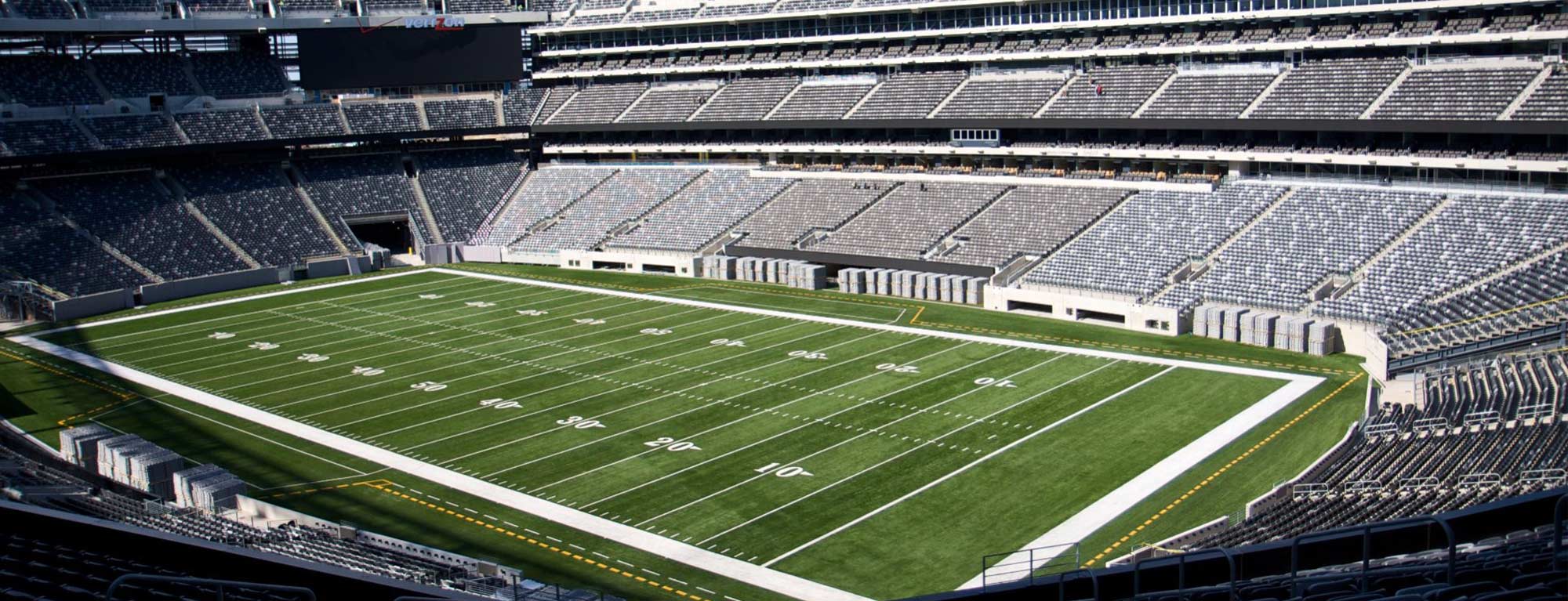
10 Laps Around an American Football Field
Running 10 laps around an American football field is both a physical challenge and a journey of self-reflection. Each 1/4-mile lap provides time to consider personal and athletic goals, with the rhythm of your steps encouraging focus and perseverance. The field itself becomes a metaphor: end zones symbolize obstacles overcome, while midfield represents balance. As fatigue sets in, the laps transform into a meditation on resilience. By the final lap, the experience highlights endurance, mental strength, and the lessons learned along the way. If you take just a small run around one third of the American football field, it would be around 100 feet.
How Long is 2 Miles to Walk?
Walking 2 miles might seem like a hard task. It is not easy to cover a distance of 2 miles which is equal to 3.2 km. Below is a simple breakdown showing how long it takes at different walking speeds.
| Walking Speed | Walk Type | Time to Walk |
| 2 mph | Slow Walk | 1 hr |
| 3 mph | Average Walk | 40 min |
| 3.5 mph | Brisk Walk | 34 min |
| 4 mph | Fast Walk | 30 min |
| 5 mph | Very Fast Walk | 24 min |
Understanding the Mile
Originating from the Latin word “mille passus,” meaning “a thousand paces,” it was initially a Roman measure of ancient travel. As the Roman Empire expanded, this measurement standardized distances, facilitating trade and connecting distant territories.
In today’s world, the mile exceeds its original purpose. Training in miles challenges athletes to push their limits. As global travel continues to decrease distances, understanding the mile’s origin and historical significance encourages us to accept the many ways we map our world.
Metric vs. Imperial Systems
The metric and imperial systems serve as two distinct languages of measurement. While the metric system, based on units of ten, offers simplicity and ease of conversion, the imperial system reveals a rich history that reflects the cultures it originated from. The scientific community accepts the metric system for its precision and universal acceptance, which facilitates international research. But, in everyday life, especially in the United States, the imperial system continues to influence people. Common Metric units for length are:
- Kilometers (km)
- Meters (m)
- Centimeters (cm)
Imperial units for length are:
- Miles (mi)
- Inches (in)
- Feet (ft)
- Yards (yd)
FAQs
Q1. How long is 2 miles in minutes?
A: If you are cruising on highways with a speed limit of around 60 mph (96 km/h), you’ll discover that covering 2 miles takes only 2 minutes.
Q2. Is 2 miles a long walk?
A: 2 miles is actually a moderate distance for walking. Walking two miles, or 3.2 km depends on individual fitness levels and walking habits. For walkers or athletes, it may seem easy to walk in under 30 minutes. But, for those less used to physical activity, this distance can feel long.
Q3. Is walking 2 miles on a treadmill good?
A: Yes, walking 2 miles on a treadmill can be a highly effective form of exercise, offering both physical and mental health benefits.
Q4. How long is 2 miles in km?
A: 2 miles is equal to 3.218 km or 3218 meters.
Q5. How much time is 2 miles driving?
A: The time you spend on the road can vary significantly based on your speed. At 60 mph, you’ll cover 2 miles in just about 2 minutes but at 30 mph that same car covers 2 miles in 4 minutes.
Final Thoughts
Walking or running 2 miles is a tangible and manageable way to enrich your day, roughly equivalent to 40 city blocks or 3,200 steps. This distance provides both physical exercise and a refreshing mental break, whether taken as a brisk workout or a stroll. Incorporating 2 miles into your routine can boost mood, creativity, and overall well-being. Though seemingly small, it offers meaningful benefits and a chance to explore, reflect, and rejuvenate. Two miles isn’t just a number — it’s an opportunity for positive change.